Mobile Well Testing Truck Exporter | Export to Kazakhstan | Reliable High Accuracy Professional Test
Mobile Well Testing Truck Exporter | Export to Kazakhstan | Reliable High Accuracy Professional Test
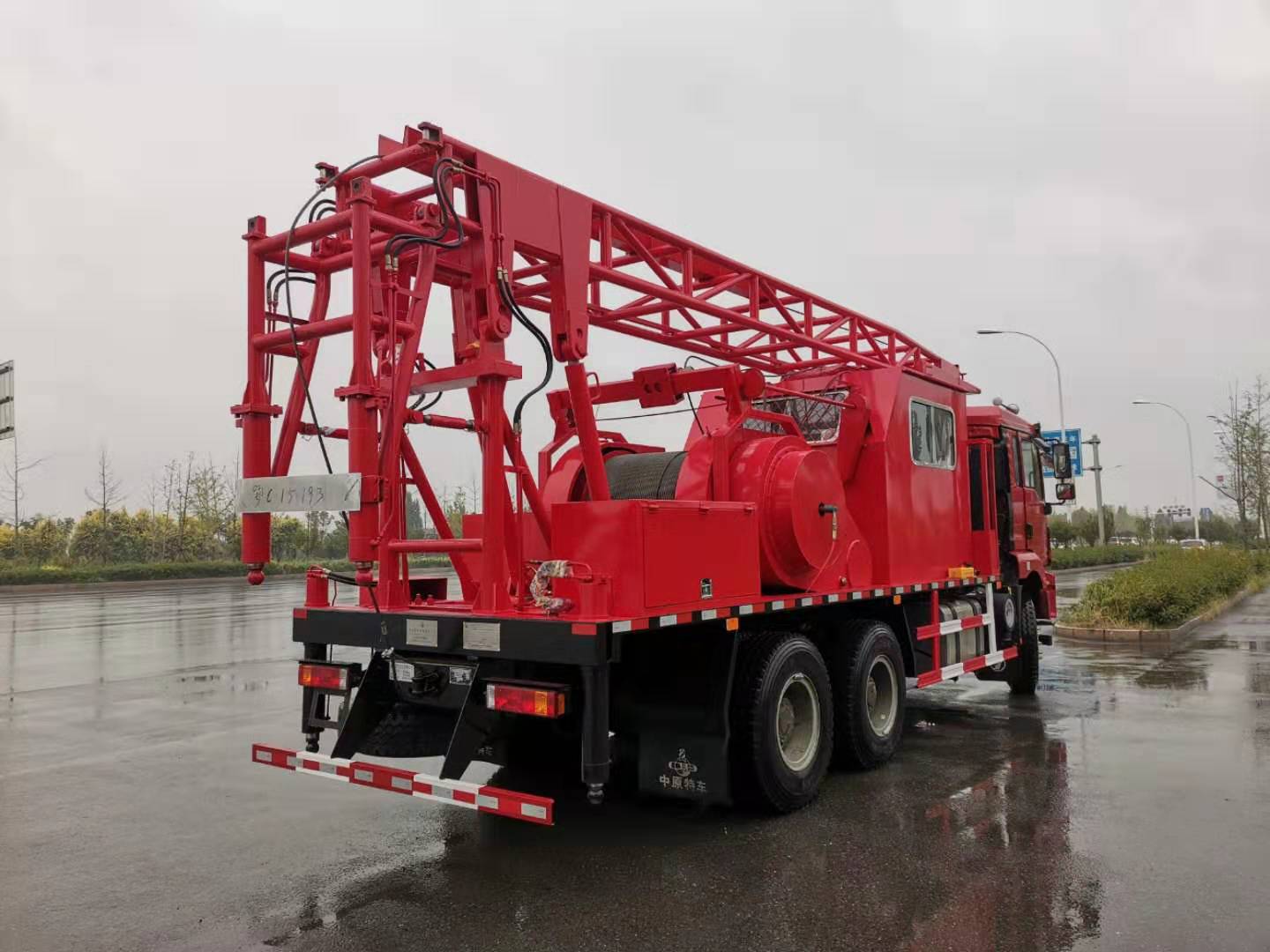
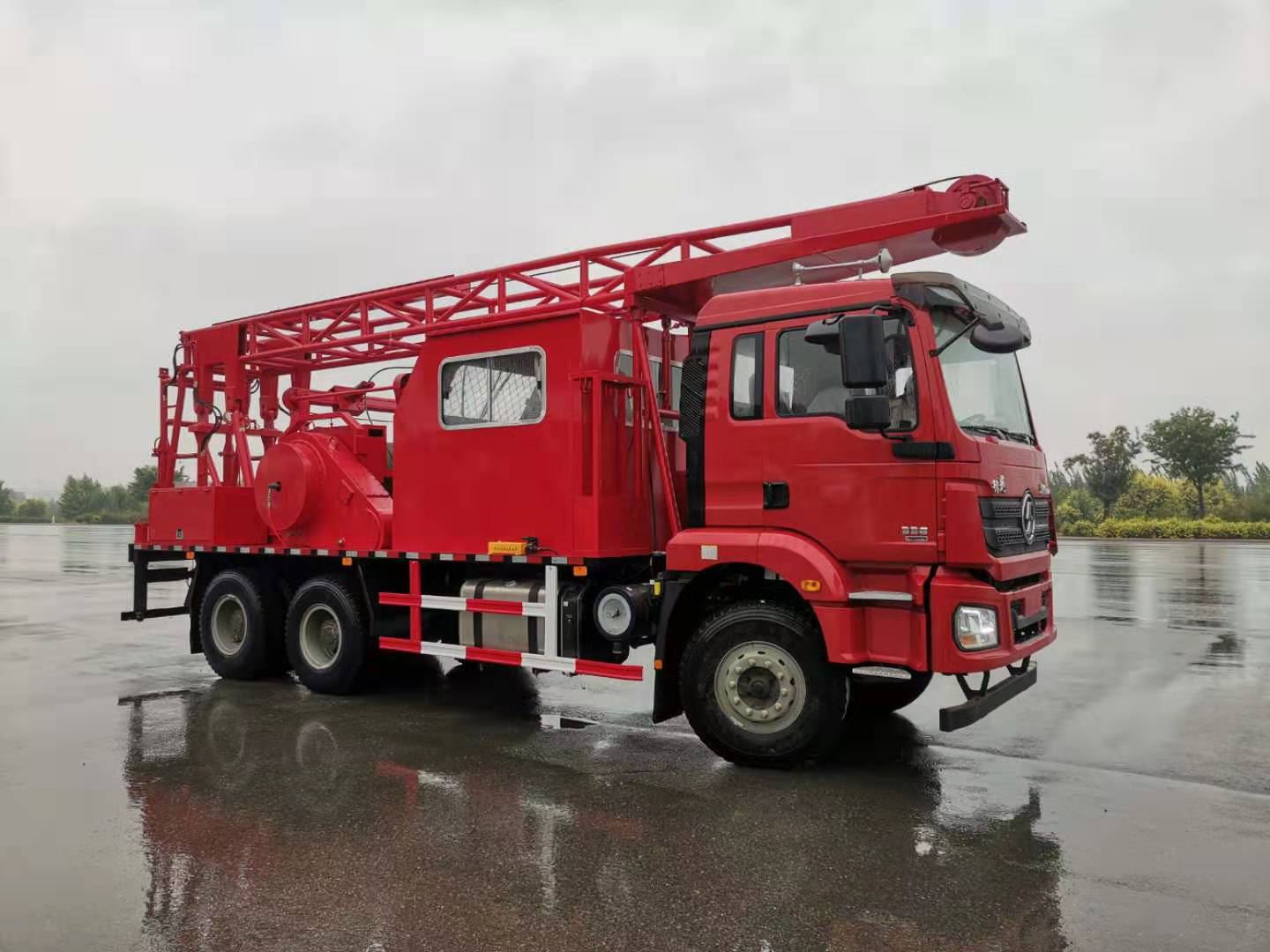
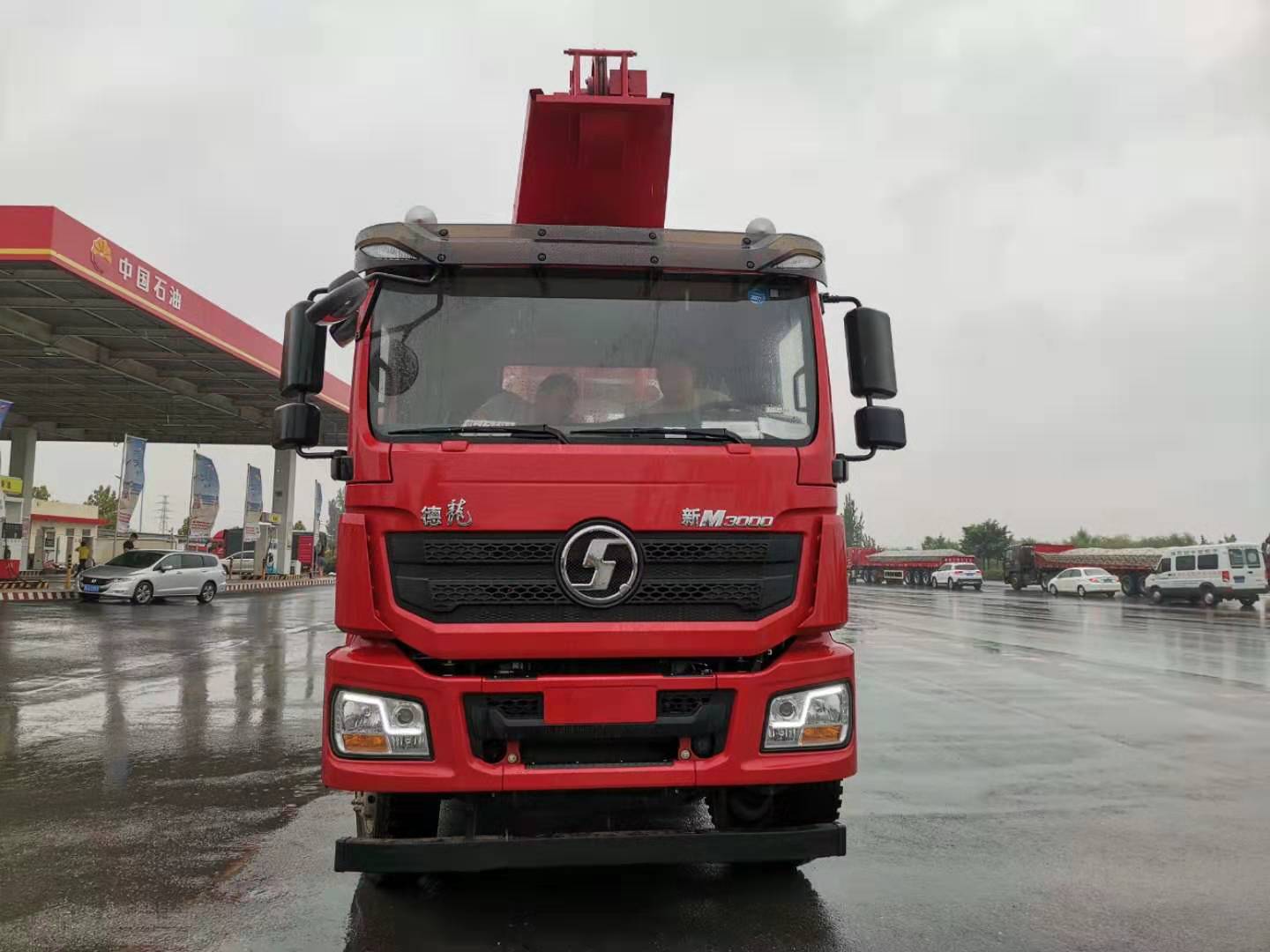
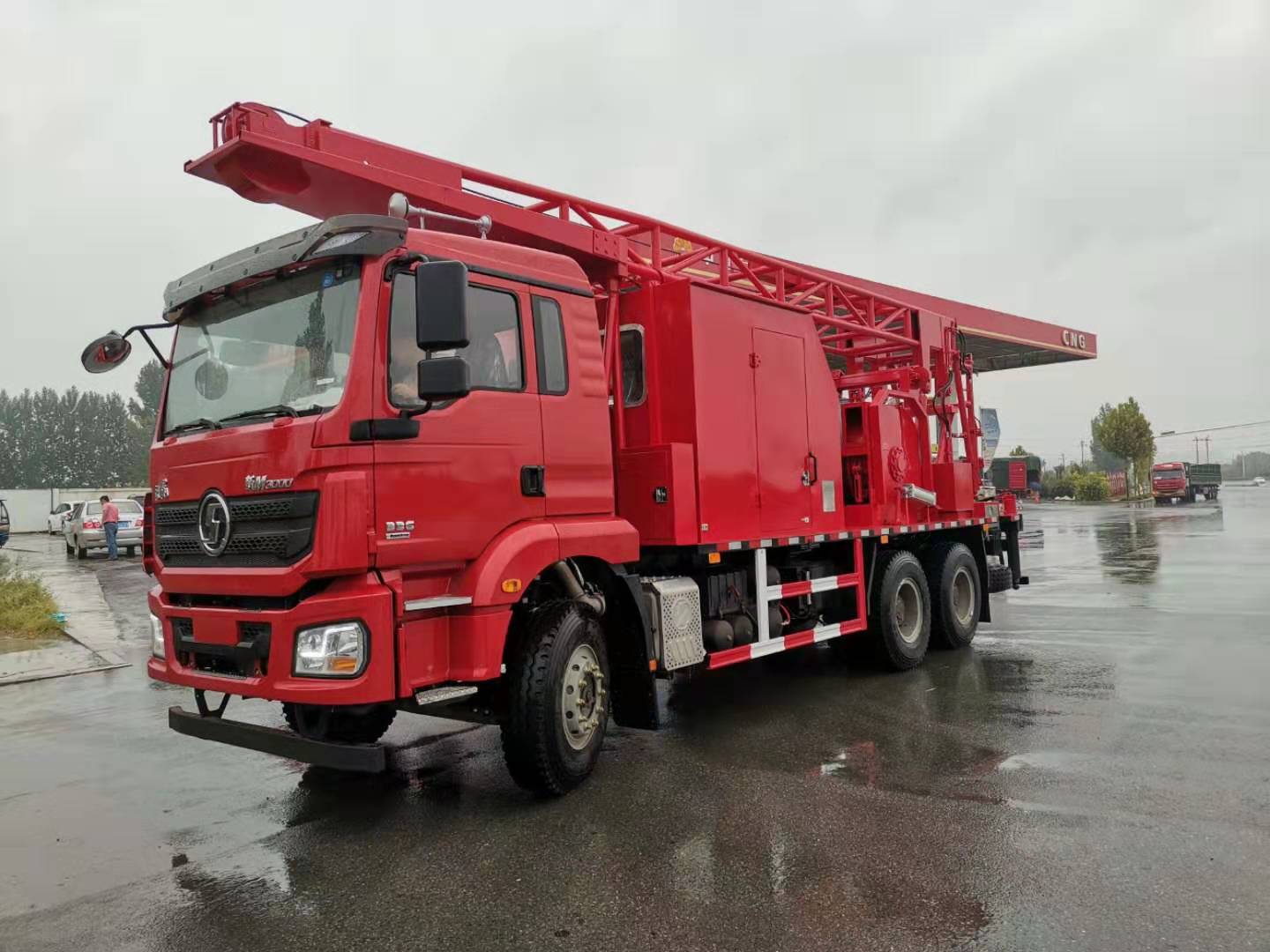
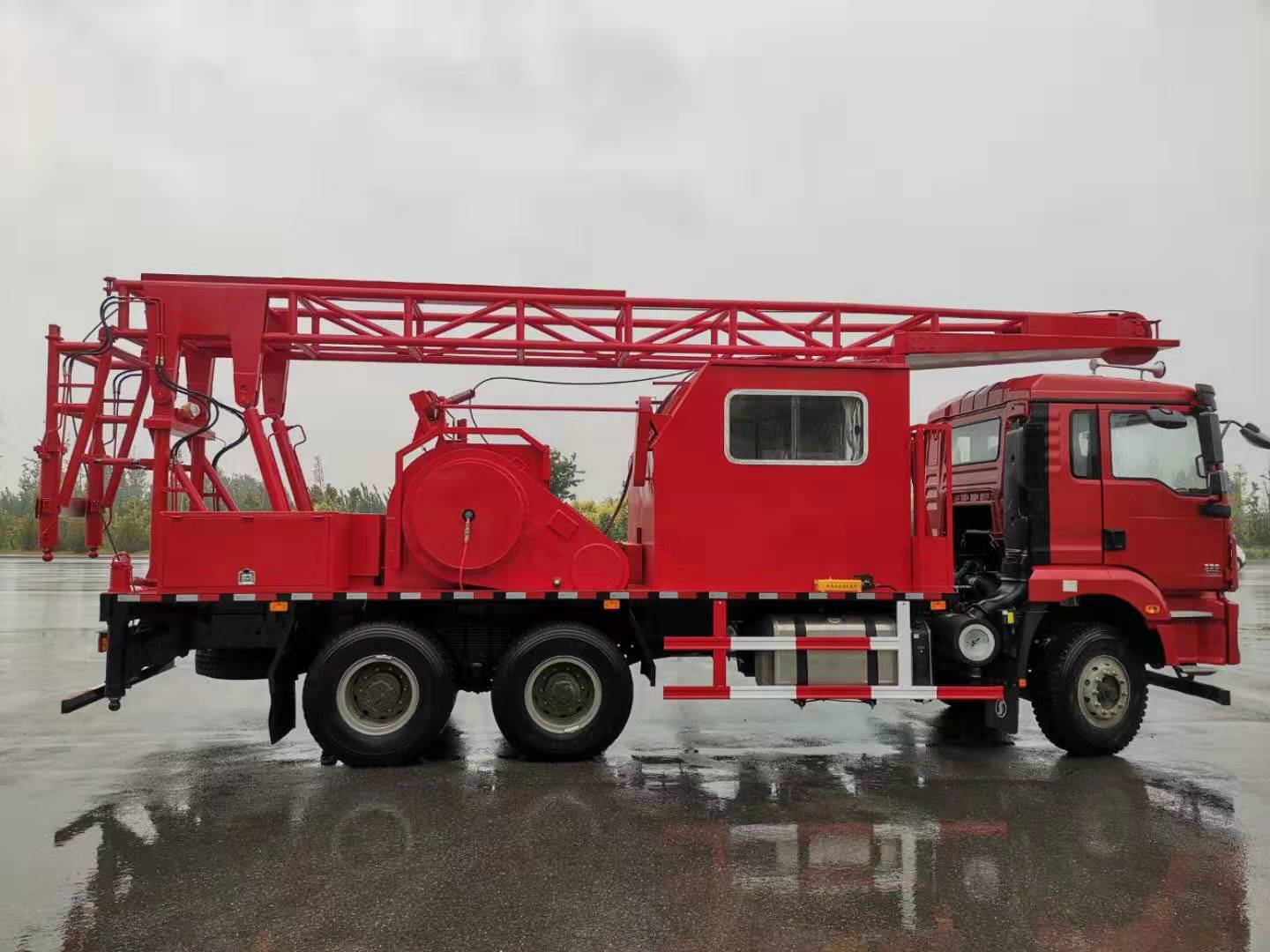
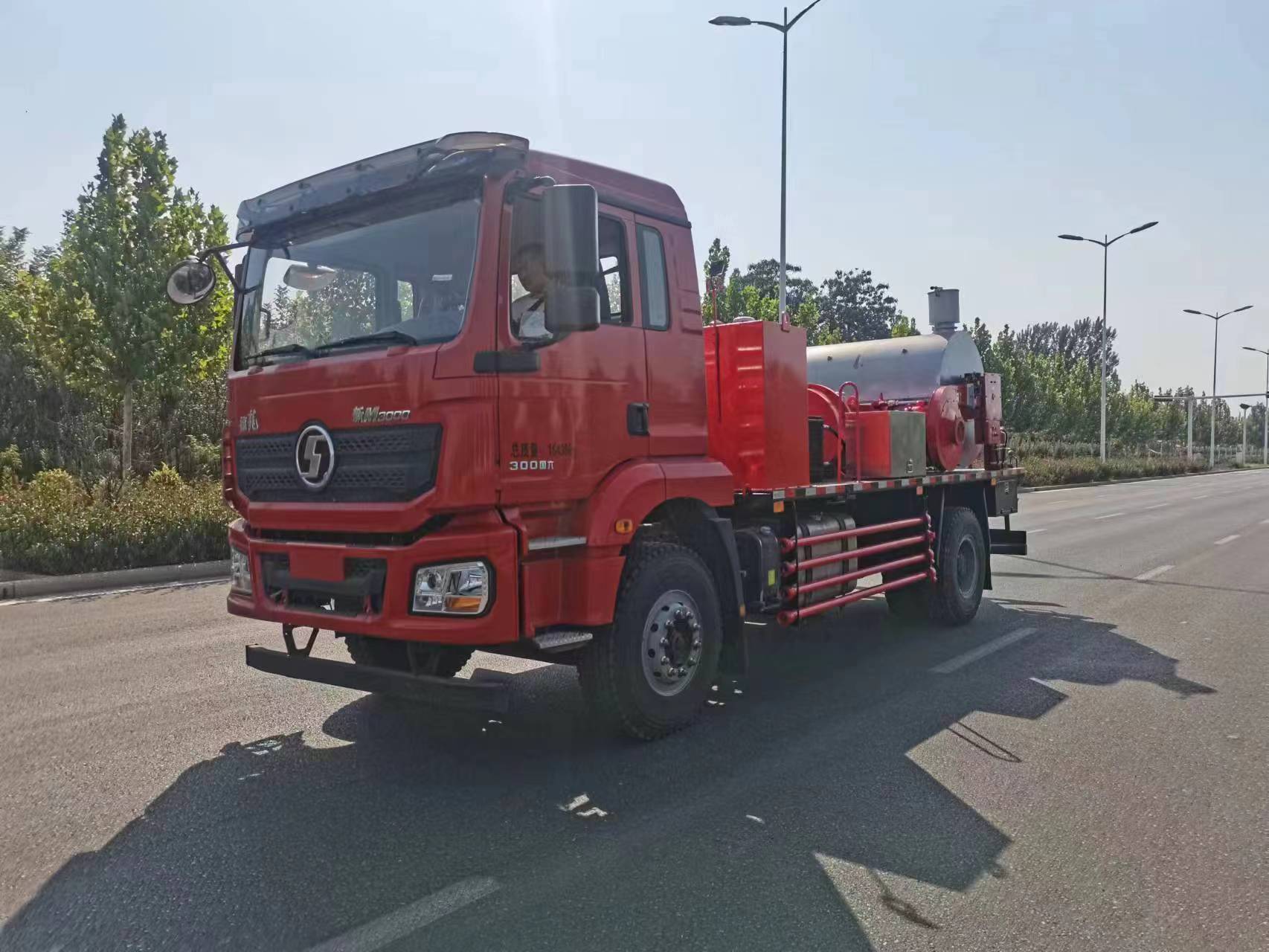
When oil and gas operators in Kazakhstan need dependable surface data under extreme weather conditions, a mobile well testing truck becomes the single most important asset on location. Henan Vance Petroleum Machinery Co., Ltd. has spent more than fifteen years refining the design of mobile well testing trucks that combine high-accuracy sensors, rugged chassis engineering, and intuitive software for real-time reservoir evaluation.
Why Kazakhstan’s Oil Fields Demand Specialized Mobile Well Testing Trucks
Kazakhstan’s major fields—Tengiz, Kashagan, and Karachaganak—present unique testing challenges: sub-zero winters, high H₂S content, and remote logistics. A mobile well testing truck must therefore deliver laboratory-grade accuracy while surviving temperatures from –45 °C to +55 °C. Only equipment engineered for these extremes can provide reliable pressure, temperature, and flow data that operators use to justify multi-million-dollar development decisions.
Because most wells are drilled in clusters far from permanent facilities, a self-contained mobile well testing truck also reduces mobilization time from days to hours. Fewer surface connections mean fewer leak paths and faster decision cycles—critical advantages when rig rates exceed $100,000 per day.
Core Technical Specifications of a Professional Mobile Well Testing Truck
Every unit exported to Kazakhstan by Henan Vance Petroleum Machinery Co., Ltd. is built around a 6×6 or 8×8 heavy-duty chassis rated for 40-ton gross vehicle weight. The integrated three-phase separator handles up to 25 MMscfd gas, 15,000 bbl/d liquid, and 5,000 bbl/d water with ±1.5 % accuracy. Downstream Coriolis mass-flow meters deliver ±0.1 % mass-flow certainty, while dual-redundant pressure transmitters rated to 15,000 psi provide continuous wellhead data even during pressure spikes.
Explosion-proof zone-1 certified enclosures protect all electronics. Integrated heaters maintain fluid viscosity above pour point, and the entire package meets ATEX, IECEx, and Kazakhstan GOST-R requirements without modification.
Key Performance Parameters at a Glance
- Maximum operating pressure: 15,000 psi (103.4 MPa)
- Gas measurement range: 0.5–25 MMscfd
- Liquid measurement range: 100–15,000 bbl/d
- Operating temperature: –45 °C to +55 °C
- Power generation: 80 kW diesel genset with auto-start
- Data transmission: 4G/5G + satellite backup, 1-second update rate
Real-World Performance in Kazakhstan’s Harsh Climate
During a 2024 winter campaign on the Karachaganak field, a mobile well testing truck supplied by Henan Vance Petroleum Machinery Co., Ltd. completed 14 back-to-back DSTs at –38 °C. Average uptime exceeded 98 %, and data quality allowed the operator to reduce uncertainty in permeability estimates from ±25 % to ±7 %. The same unit later moved 180 km in a single day across unpaved roads without recalibration, proving both mobility and repeatability.
Operators report that the low-pressure-drop design of the separator reduced flaring volumes by 12 % compared with legacy skid-mounted systems—an immediate environmental and economic win under Kazakhstan’s tightening emissions regulations.
Selecting the Right Mobile Well Testing Truck: Decision Framework
Choosing the correct configuration starts with reservoir fluid type. High-GOR wells benefit from larger gas outlets and heated metering runs, while heavy-oil applications require trace heating throughout the flow loop. Second, evaluate chassis mobility: 6×6 units suffice for most cluster locations, but 8×8 configurations with central tire inflation are preferred when crossing salt flats or deep snow.
Third, confirm data-integration needs. Modern mobile well testing trucks export WITSML, Modbus, and MQTT protocols directly to the operator’s SCADA system. Finally, verify after-sales support: spare-part kits, remote diagnostics, and field-service engineers stationed in Atyrau or Aktau can cut downtime from weeks to hours.
Five Questions Every Procurement Team Should Answer
- What is the maximum expected gas-oil ratio and H₂S concentration?
- Will the unit operate above 10,000 psi for extended periods?
- Are there weight or length restrictions on access roads?
- Do we need satellite telemetry or is 4G sufficient?
- What is the required mobilization window between wells?
Energy Efficiency and Environmental Advantages
Modern mobile well testing trucks reduce fuel consumption by 18–22 % through variable-speed drives on all pumps and intelligent load-sharing between the main engine and the auxiliary generator. Waste-heat recovery from the engine jacket warms separator fluids, eliminating the need for a second diesel-fired heater on most jobs. These efficiencies translate into lower carbon intensity per barrel tested—an increasingly important metric for ESG reporting in Kazakhstan.
Additionally, enclosed flare stacks with auto-ignition and flame arrestors keep combustion efficiency above 98 %, minimizing methane slip and black-carbon formation.
Maintenance Best Practices for Maximum Uptime
Preventive maintenance begins before the truck leaves the yard. A 50-point pre-job checklist covers separator level-control valves, Coriolis zero verification, and emergency-shutdown loop testing. In the field, daily tasks include visual inspection of flexible hoses, drain-leg condensate removal, and sensor calibration against certified dead-weight testers.
Every 500 operating hours, operators replace separator coalescing elements and verify meter K-factors. A complete overhaul—including full recertification of pressure vessels—is recommended after 8,000 hours or three years, whichever comes first. Henan Vance Petroleum Machinery Co., Ltd. supplies both OEM spare parts and factory-trained technicians to support these intervals.
2026 Industry Trends Shaping Mobile Well Testing Technology
By 2026, edge-computing modules will move real-time nodal analysis directly onto the mobile well testing truck, cutting decision latency from hours to minutes. Wireless acoustic sand detectors and fiber-optic distributed temperature sensing will become standard options, allowing operators to identify tubing restrictions without additional wireline runs.
Another emerging requirement is hydrogen-readiness. As Kazakhstan explores blue-hydrogen projects, mobile well testing trucks must accommodate higher hydrogen fractions in produced gas. Upgraded materials—duplex stainless steel flow loops and hydrogen-compatible elastomers—are already in the qualification pipeline at leading manufacturers.
Why Choose Henan Vance Petroleum Machinery Co., Ltd. as Your Mobile Well Testing Truck Exporter
Henan Vance Petroleum Machinery Co., Ltd. combines in-house pressure-vessel fabrication, API-6A/16C valve machining, and Class-1 Division-1 electrical integration under one roof. This vertical integration shortens lead times to 90–120 days for fully customized units while maintaining strict quality gates at every weld and wiring termination.
Export documentation includes full GOST-R, Customs Union EAC, and Kazakhstan MID certificates. Financing support through Chinese export-credit agencies further improves project economics for Kazakh national and international operators alike.
Complementary Equipment for Complete Well-Service Packages
Many operators pair their mobile well testing truck with a well flushing truck to clean perforations before testing and a nitrogen generation truck for underbalanced operations. For high-pressure stimulation, a fracturing unit and triplex plunger pump complete the spread, all engineered to the same environmental and safety standards.
Summary
A professional mobile well testing truck is no longer a luxury but a strategic necessity for operators working in Kazakhstan’s extreme and remote environments. By focusing on high-accuracy metering, cold-weather engineering, and digital integration, Henan Vance Petroleum Machinery Co., Ltd. delivers equipment that shortens testing cycles, reduces emissions, and provides the data integrity required for sound reservoir-management decisions. Contact our technical team today to configure the optimal package for your next campaign.
Tel/WhatsApp: +86 189 3767 6920
Email: info@vancepetro.com
Website: https://vancepetro.com/
FAQ
1. What is the typical delivery time for a mobile well testing truck to Kazakhstan?
Standard configurations ship within 90–120 days after receipt of order and approved drawings. Fully customized units with special metallurgy or data protocols may require an additional 30 days for engineering and certification.
2. Can the unit operate safely with high H₂S concentrations?
Yes. All pressure-containing components are NACE MR0175/ISO 15156 compliant, and the control system includes redundant H₂S detectors with automatic shutdown at 10 ppm.
3. How often must the Coriolis meters be recalibrated?
Factory calibration remains valid for 12 months under normal service. On-site verification against a certified prover or weigh tank is recommended every 3–6 months depending on fluid properties and operating hours.
4. Is satellite communication included as standard?
Every export unit includes a rugged satellite terminal with automatic failover from 4G/5G. Data buffering ensures no loss of information during temporary signal outages.
5. What training is provided for Kazakh operators?
Henan Vance Petroleum Machinery Co., Ltd. offers a three-day on-site training program covering daily operations, troubleshooting, and basic maintenance. Training materials are available in English, Russian, and Kazakh.